According to the Food and Agriculture Organization (FAO), bridging the employment gap for youth in agriculture could increase the global economy by 1.4 percent with a benefit by accounting for about $1.5 trillion. This means when young people are equipped to take farming seriously, it doesn’t just feed communities, it grows economies.
However, youth farmers face significant challenges that slow down their potential. One of which is limied access to land as a result of inheritance systems and high land costs. This keeps many young people locked out of ownership. Financing is another hurdle, with traditional banks often reluctant to give loans to young farmers who are seen as high-risk. Beyond money and land, there is also the weight of old stereotypes that paint farming as an occupation for the poor or the desperate, discouraging many youths from even considering it as a viable career.
Added to this are systemic obstacles: weak agricultural policies that rarely prioritize youth, poor infrastructure that makes transporting produce difficult and expensive, and limited access to modern training or mentorship in agribusiness. Many young farmers also struggle to break into markets dominated by middlemen, leaving them with little profit for their efforts.
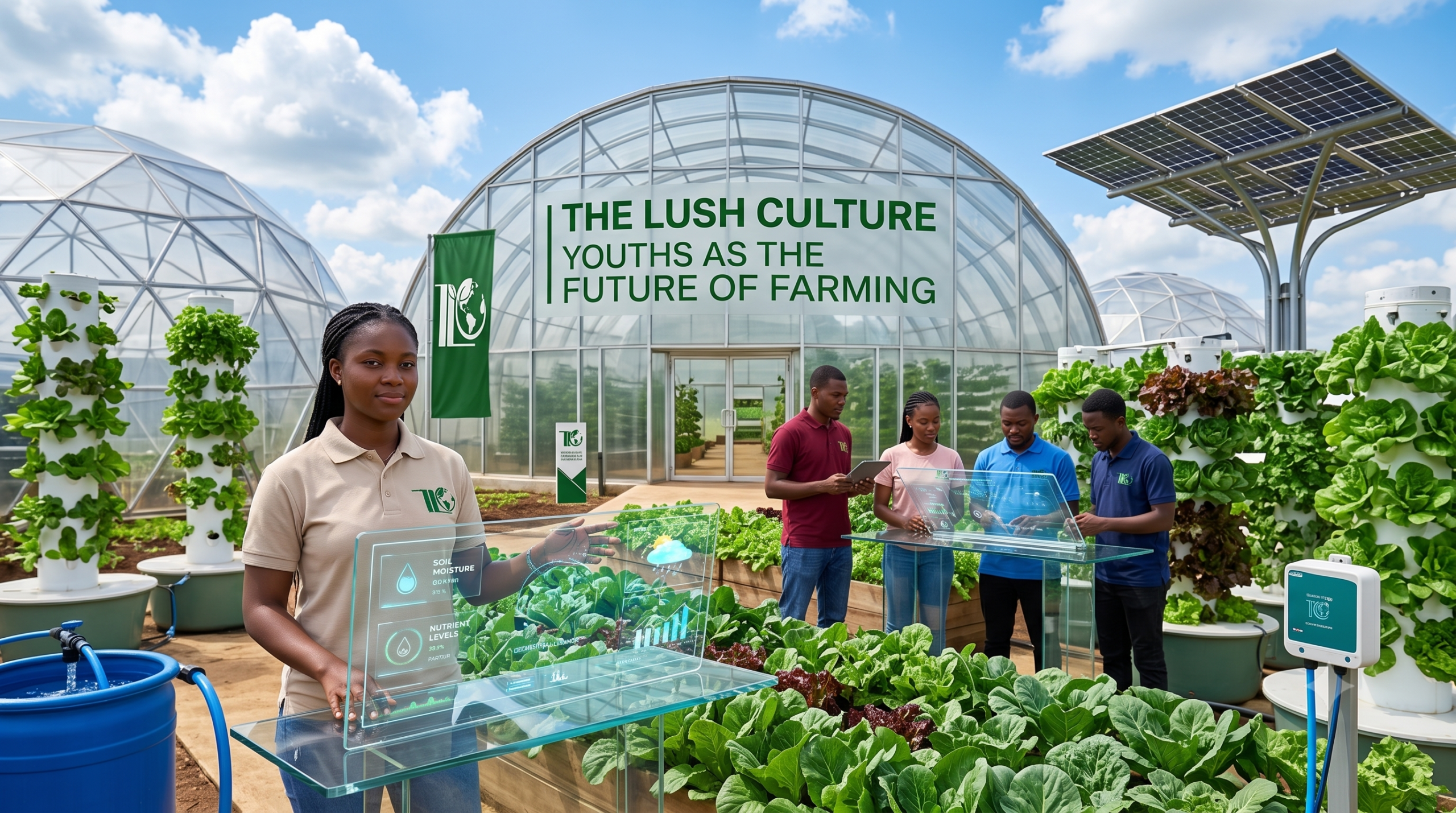
Yet, despite these realities, youth across Africa and beyond are refusing to be defined by limitations. A new wave of youth-led innovation is reshaping the way food is grown and shared. While some are experimenting with climate-smart farming techniques like vertical farming, which allow crops to thrive in smaller spaces with fewer resources, others are embracing digital tools i.e using apps and mobile platforms to access real-time weather updates, market prices, and supply chain networks. In urban areas, young people are transforming rooftops, balconies, and even abandoned plots into productive gardens, proving that farming no longer requires vast acres of land.
Imagine an Africa where youth-led agribusinesses dominate local markets, where food imports reduce because local innovation meets demand, and where agriculture not only feeds but also employs millions. That future begins when we trust and invest in our young farmers today.
And the good news is, this future is already taking shape. The practices we see – from rooftop gardens to climate-smart farming and digital innovations – are not isolated experiments. They are signals of a new era where agriculture is modern, sustainable, and youth-driven. Farming is no longer about bending backs in the sun; it is about using creativity, data, and technology to feed the world and build thriving economies. It is about young people turning challenges like food insecurity and unemployment into opportunities for growth and resilience.
This proves beyond a shadow of doubt that farming is not for the aged, the poor, or the desperate, it is for the youths who are unafraid to merge tradition with technology. It is for the youths who are forward-thinking enough to see that agriculture is not just about today’s meals but tomorrow’s survival. It is for the youths who no longer see farming as the last resort but the next frontier.
As we commemorate International Youth Day (IYD), we go beyond celebrating the efforts of youths to advocating for youth inclusion in decision-making spaces in agriculture because the youths are the future and the future of food, of climate resilience, and of economic stability depends on them.
